“Before executing a single exploit, a penetration tester must relentlessly understand the underlying network infrastructure they are operating within. From route tables to ARP cache mapping, successful exploitation is simply an aggressive application of networking fundamentals.”
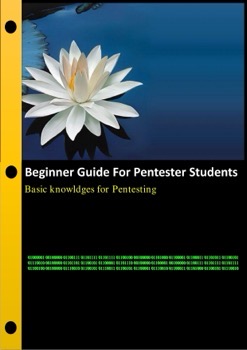
The leap from running automated vulnerability scanners to executing manual, surgical network compromises requires a rock-solid understanding of core computer science primitives. The Beginner Guide for Pentester Students acts as the definitive bridge between basic system administration and the structured discipline of offensive operations.
The PTES Methodology
Unlike many beginner guides that rush straight into using exploitation frameworks, this manual strictly adheres to the Penetration Testing Execution Standard (PTES). It forces the reader into the mindset of a rigorous consulting professional.
The guide breaks down the absolute necessity of the pre-engagement phase: drafting tight scopes, understanding legal authorization boundaries, and establishing incident handling procedures if an exploitation attempt inadvertently causes a production outage. It emphasizes that a compromised network is useless without the ability to properly articulate the risk via the final deliverable reporting phase.
Weaponizing Networking Fundamentals
The core technical chapters of this manual are an intensive study of Linux networking capabilities. It assumes no deep prior knowledge, starting from the OSI model and immediately transitioning into how those layers are instantiated within Fedora, Debian, and CentOS architectures.
The text provides a comprehensive breakdown of:
- IP Configuration and Routing: Moving past basic
ifconfigcommands to fully mastering the moderniproute2package, network aliasing, and manipulating routing tables to pivot traffic dynamically. - Layer 2 Exploitation Prep: A deep dive into the Address Resolution Protocol (ARP), explaining how ARP tables are populated, viewed, and eventually poisoned during Man-in-the-Middle configurations.
- Firewall Architectures: Outlining the difference between One-Legged deployments, Screened Subnets, and True DMZs. It instructs students on how to leverage
netfilterandiptablesnot just to defend, but to mask outbound exploitation traffic securely.
Who Is This Book REALLY For?
- Aspiring Penetration Testers: If you are transitioning from Help Desk, System Administration, or academic studies into offensive security, this provides the exact baseline you need before touching Metasploit or Cobalt Strike.
- Cybersecurity Students: The explicit breakdown of the PTES framework will prepare students for the realities of commercial security consulting rather than just Capture The Flag (CTF) environments.
- IT Generalists: Understanding how traffic routes at a kernel level provides incredible value even to network defenders attempting to trace malicious connections.
The Bottom Line
The Beginner Guide for Pentester Students removes the romanticized Hollywood illusion of hacking and replaces it with cold, hard networking engineering. It proves that the most successful penetration testers are simply exceptionally talented system administrators who know precisely how to break the rules they were taught to configure.